

|

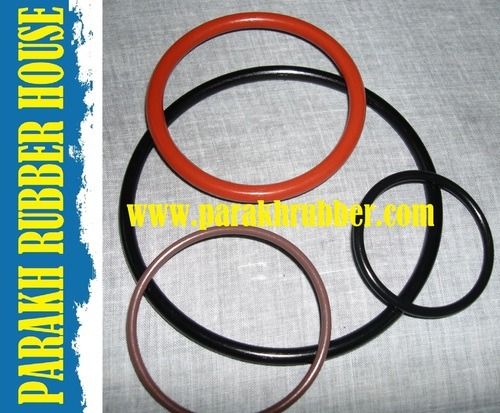
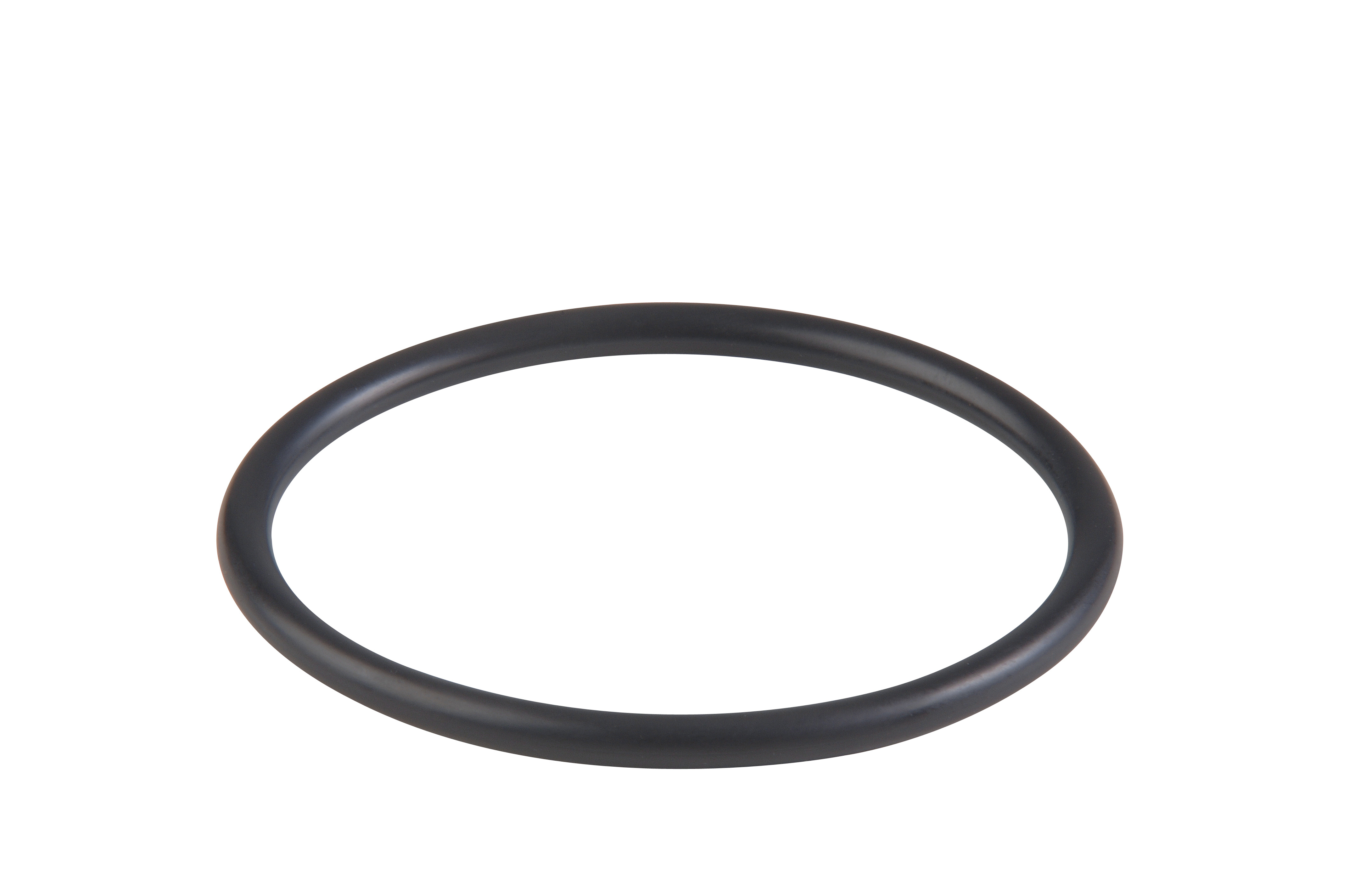
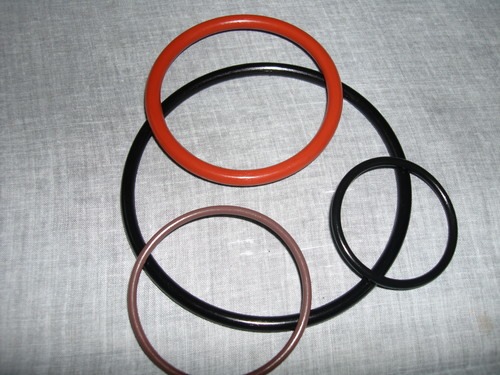
O Rings
Product Details:
- Wear Resistance Yes
- Oil Resistance Yes
- Material Rubber
- Usage Industrial
- Style Pneumatic
- Product Type Seal
- Color Multicolor
- Click to View more
X
O Rings Price And Quantity
- 100 Piece
O Rings Product Specifications
- Industrial
- Industrial
- Multicolor
- Seal
- Yes
- Rubber
- Yes
- Pneumatic
O Rings Trade Information
- 1000 Piece Per Day
- 1 Week
- All India
Product Description
O rings
O-rings is one of the most common seals in use today. They can be used in both static and dynamic applications and offer an economic and effective sealing solution. By choosing a compound and hardness it is usually possible to find a suitable O-ring for most applications. Rubber O-rings can operate in temperatures from -55 deg C to + 320 deg C and (with backup rings) at pressures of 400 Bar. They are available in a large range of standard imperial and metric sizes The most common international standards for O-Ring dimensions, in addition to ISO 3601/1 are:-
- American Standard : AS-568
- Great Britain : BS 1806 - BS 4518,
- Germany: DIN 3771,
- Sweden: SMS 1586,
- France: NF T 47 501,
- Japan: JIS B 2401-77
CROSS SECTIONS :-
- Common metric sections include 1.0mm, 1.5mm, 2.0mm, 2.5mm 3.0mm, 3,5mm, 4.0mm, 4.5mm 5.0mm, 6.0 etc.
- Common Swedish sections include 1.6mm, 2.4mm, 5.7mm, 8.4mm
- Common French sections include 1.8mm
- Common Japanese Sections include 1.9mm, 2.7mm, 3.1mm 3.6mm,
- Common Imperial sections are 1.78mm, 2.62mm, 3.53mm, 5.33mm and 6.99mm
HARDNESS:-
Common rubber compounds are available in a range of hardness grades, the most common being 70 shore (Standard Hardness), 80 shore, 90 shore (Hard) is also available, with 40/50 shore (soft) being the least popular. Fluoro elastomer (VITON) O'rings to be slightly harder with 75/80 Shore being the norm.
Most Common Materials:-
FKM | Viton | -40 deg C + 230 deg C | High Temperature, Synthetic and hydraulic fluids, many acids and alkalis |
FKM | Perfluoro elastomer (Viton) | -30 deg + 320 deg C | Very high temperature, Best chemical resistance of all Elastomers High performance material |
MVQ | Silicon | -55 Deg C + 230 Deg C | High Temp Air, Water, Oxygen, alkalis and some acids Static applications only |
NBR | Nitrile | -40 deg C + 110 Deg C | Mineral based Hydraulic and lubricating oils LPG Gas, Butane, Propane, Acetylene, Petrol, Diesel |
EPDM | Ethylene-propylene | -55 deg C + 150 deg C | Fire resistant hydraulic fluids, Brake fluids, Hot water, Steam Not resistant to mineral oils |
PU | Polyurethane | -30 deg + 80 deg C | Good wear and extrusion resistance Not resistant to glycol based fluids, acids or alkalis |
PTFE | PolytetrafluoroethylenePolytetrafluoroethylene | -200 deg +260 deg C | Very good chemical resistance except liquid alkaline metals No rubber elastic properties, static applications only |
Above table is only a guide to the most common Elastomers, performance would be dependents on the particular variant of elastomer used. Chemical resistance should also be checked before use.
The correct functioning of the O-ring is dependents on both the groove size and the radial clearance. For higher pressures the o ring hardness can be increased, backup rings can be used or radial clearance should be decreased.
O-Rings Recessing Arrangement for AS-568 Series (American Standard): -
Statically RecessedO-Rings Cross Section | Static Application | ||||
Radial Compression | Axial Compression | Recess | |||
Depth 0 | Width+0.2 | Groove 0 | Step +0.1 | ||
1.78 | 1.31 | 2.4 | 2.38 | 1.2 | 0.5 |
Dynamically Recessed
O-Rings | Dynamic Application | ||
Depth 0 | Width+0.2 | Recess | |
1.78 | 1.43 | 2.4 | 0.5 |
All dimensions in mm.
High-Performing Oil Resistance
Our O Rings are engineered for maximum oil resistance, making them ideal for industrial environments where exposure to lubricants and chemicals is frequent. The robust rubber material prevents degradation, ensuring reliable sealing performance over prolonged use. This feature significantly enhances the lifespan of your machinery and minimizes maintenance costs.
Versatile Industrial Applications
These O Rings are designed for a variety of industrial purposes, with pneumatic compatibility enabling effective sealing in air-driven systems. Their multidimensional utility delivers consistent results across manufacturing, automotive, and machinery sectors, supporting both static and dynamic applications with ease.
FAQs of O Rings:
Q: How are oil-resistant O Rings used in industrial settings?
A: Oil-resistant O Rings are commonly installed in joints, valves, and pneumatic equipment to provide an effective seal, preventing leaks of oil and other fluids in industrial machinery and systems.Q: What material are these O Rings made from?
A: These O Rings are manufactured from premium-quality rubber, chosen for its superior resistance to oil, wear, and harsh industrial conditions.Q: When should I replace the O Rings in my equipment?
A: O Rings should be replaced during regular machinery maintenance or if you notice signs of wear, loss of elasticity, or leakage to ensure optimal performance and prevent costly equipment downtime.Q: Where can I purchase these multicolor O Rings in India?
A: You can acquire these O Rings directly from us, as we are a trusted manufacturer, supplier, distributor, exporter, trader, and wholesaler of industrial-grade sealing solutions across India.Q: What is the process for installing pneumatic O Rings?
A: Installation involves thoroughly cleaning the sealing surfaces, lubricating the O Ring if needed, and carefully positioning it to avoid twisting or stretching, ensuring a snug and effective seal within pneumatic systems.Q: How does the wear resistance benefit industrial applications?
A: With high wear resistance, these O Rings maintain their integrity under friction and pressure, leading to fewer replacements, longer machinery uptime, and reduced maintenance costs.Q: What are the main advantages of using oil-resistant O Rings?
A: The primary benefits include enhanced chemical resistance, longevity, effective sealing in harsh environments, adaptability for pneumatic use, and color-coded options for easy identification in complex assemblies.Tell us about your requirement

Price:
Quantity
Select Unit
- 50
- 100
- 200
- 250
- 500
- 1000+
Additional detail
Mobile number
Email

Other Products in 'O-RING' category

PARAKH RUBBER HOUSE
GST : 07AEVPC6067Q2ZL
GST : 07AEVPC6067Q2ZL
Contact Details

- NJ-140, Sector - 3, DSIDC, Bawana Industrial Area,Delhi - 110039, India

- Phone :08045815733

- Mr Raman Chopra (Proprietor)
- Mobile : 08045815733


 Send Inquiry
 |
PARAKH RUBBER HOUSE
All Rights Reserved.(Terms of Use) Developed and Managed by Infocom Network Private Limited. |
